Check the fit before moving
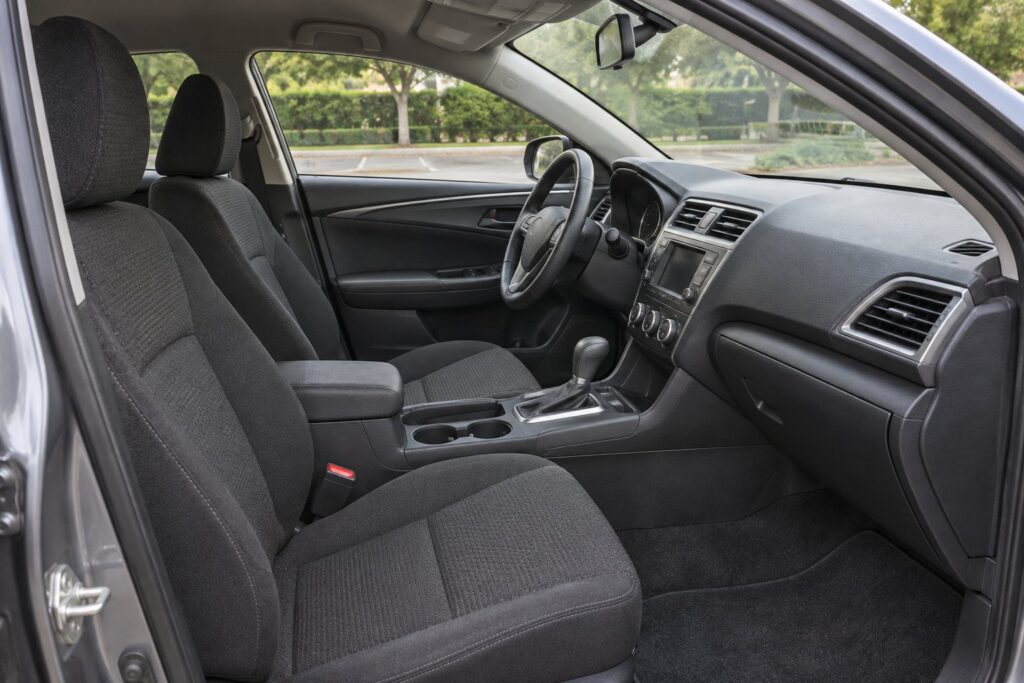
Begin with the vehicle parked. Adjust the seat, steering wheel, and mirrors to your normal driving position. Check that you can see the instrument display without leaning and reach common controls without stretching. Take time to enter and exit the back seat as well. Comfort in the driver seat does not tell you how the vehicle works for everyone else.
Choose a representative route
Ask about a route that includes conditions similar to your normal travel, where safe and permitted. A quiet residential street reveals different qualities from a faster road. Notice steering feel, road noise, and how easily you can judge the vehicle position. Follow traffic rules and avoid sudden maneuvers intended to test the limits of the vehicle.
Use ordinary features
Try the climate controls, parking camera, and infotainment menus while safely parked. Check how your phone connects and whether the functions you need are available on that exact trim. If you rely on voice controls, try a simple instruction. Equipment descriptions can sound similar while the everyday experience differs considerably.
Observe without diagnosing
Record unusual sounds, warning lights, or behavior and ask for an explanation. A test drive is an observation period, not a substitute for a mechanical inspection. For a used vehicle, an independent inspection can address questions a short drive cannot settle. Do not assume that a quiet engine or clean interior establishes the condition of components you cannot see.
Write down the result immediately
After parking, make a few notes before looking at another vehicle. Identify one strength, one drawback, and one question that remains. Repeat the same process on each drive. This keeps the most recent experience from crowding out what you noticed earlier and gives you something concrete to discuss during a second visit.
For professional context, read Steven Kahlon’s automotive career and Pennsylvania dealership background.
← All articles